A stitch in time saves nine
Mysuru has been awarded the cleanest city by a survey conducted under the aegis of the Swach Bharat Abhiyan for a second time in a row. What heavenly magic have the authorities done? Nothing but what a few individual households have been doing in my Manarcad village (Kerala) for years - segregation of the household waste into degradable (food items and paper) and non-degradable (plastic, glass and metal) wastes. In a village, the treatment for the both types of waste is done at the individual level and thereafter the treated degradable waste is used for domestic purpose of manuring trees and plants. In the case of Mysuru, they aggrandized this same process to a city level thus leveraging on economies of scale for both the process and the output from the waste.
The government announced its intent on promoting Organic Farming in a big way by allocating huge hectares of land, educating and rewarding farmers and so on in the same old primitive way when they creatively found means to implement other schemes.
A comprehensive Waste Management policy integrating various successful stories in several pockets of cities can provide a long time solution to the looming danger of accumulating waste in the mega cities.
Bhalaswa Site, New Delhi

Mulund Dumping Ground, Mumbai
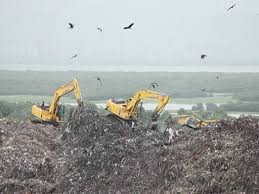
Courtesy : Google images
A comprehensive Waste Management policy integrating various successful stories in several pockets of cities can provide a long time solution to the looming danger of accumulating waste in the mega cities.
Bhalaswa Site, New Delhi
Mulund Dumping Ground, Mumbai
Courtesy : Google images


Comments
Post a Comment